Common Auto Repair Issues: Swift Answers and Knowledgeable Tips for Every Driver
Common vehicle repair issues can disrupt a driver's daily schedule. Many issues, such as warning lights and engine noises, often indicate deeper concerns that require attention. Simple preventive measures and troubleshooting techniques can reduce these issues. Understanding how to address battery problems or handle flat tires is essential. As vehicles become more complex, knowing these quick fixes and expert tips can make all the difference in maintaining safety and performance. What steps should every driver take to remain prepared?
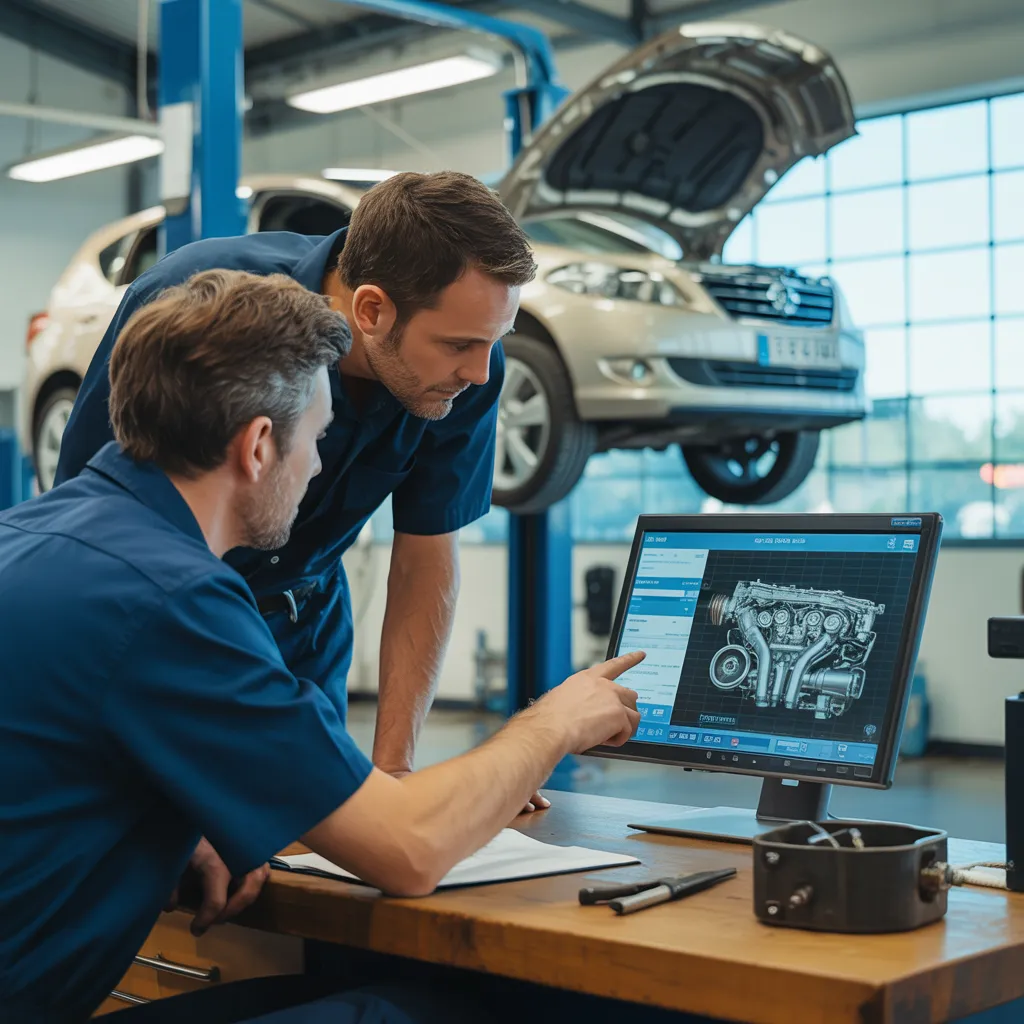
Understanding Alert Lights and What They Mean
Warning lights on a car's dashboard function as critical indicators of its working condition. Each light conveys specific information regarding the vehicle's systems, alerting drivers to potential issues that demand urgent care. For instance, the check engine light relevant resource signals that the engine control unit has detected a problem, ranging from minor faults to major failures. Similarly, the oil pressure warning shows insufficient oil pressure, which can lead to severe engine damage if not addressed.
Other frequent warning lights include the battery alert, which signifies electrical system issues, and the brake warning light, indicating conceivable issues with the braking system. Grasping these indicators permits motorists to implement proper measures, whether that means coming to a stop to inspect the vehicle or seeking professional assistance. Overlooking warning lights can cause substantial issues, resulting in expensive fixes and weakened safety on the road.
Fixing Engine Noises
How can motorists effectively determine and handle unusual engine noises? Initially, they ought to carefully listen to the type of sound being emitted. A knocking noise might reveal issues in the engine's internals, while a high-pitched squeal could indicate problems related to the serpentine belt or pulleys. Motorists should also take note of the circumstances in which the noise occurs, such as during acceleration, idling, or turning.
Next, it is vital to inspect the oil level and its quality, given that insufficient or dirty oil can result in excessive wear and noise. Moreover, loose components, such as heat shields or exhaust parts, may create rattling sounds and should be inspected. If the noise continues or escalates, consulting a professional mechanic is advised to diagnose and solve the issue effectively. Promptly addressing engine noises can prevent more significant damage and costly repairs down the line.
Tackling Battery Difficulties
Many operators trust their car's battery without much thought, yet addressing battery issues promptly is essential for maintaining steady performance. A deteriorating battery can cause starting troubles, faint lights, and electrical breakdowns. Inspecting battery terminals on a regular basis for buildup and ensuring they are tightly attached can avert unexpected troubles.
Drivers should also monitor the battery's age, as most batteries have a lifespan of three to five years. If a battery shows signs of wear, such as swelling or leaks, it is essential to replace it immediately. Additionally, testing the battery's voltage can provide insight into its health; a reading below 12.4 volts often points to the requirement of charging or replacement.
During freezing temperatures, it is wise to test the battery more consistently, as severe weather conditions can worsen battery complications. By keeping watch, drivers can avoid the inconvenience of battery malfunction and maintain their vehicle's reliability.
Addressing Flat Tire Problems
Flat tires can happen without warning and are a common issue that drivers face. When a driver experiences a flat tire, the first step is to safely pull over to a level, secure location clear of vehicles. Once stopped, the driver should assess the damage. If a hole is minor and located in the tread, it may be fixable. However, if the side is compromised or the tire is deteriorated, substitution is required.
To replace a tire, the driver should collect required tools: a jack, lug wrench, and spare tire. After unfastening the lug nuts, the jack should be used to raise the vehicle. Once lifted, the flat tire can be taken off and replaced with the spare. After fastening the spare tire and dropping the vehicle, the lug nuts should be tightened.
In conclusion, it's necessary for motorists to frequently monitor tire pressure and tread depth to avoid future flat tire occurrences.
Looking after Your Braking System
Proper maintenance of the braking system is vital for guaranteeing safety and operational efficiency. Routine inspections of brake pads, brake rotors, and fluid levels can avert costly maintenance and boost road safety. Drivers should regularly examine brake pads for deterioration; swapping them when they get worn is important, as worn pads can cause rotor deterioration and diminished stopping power.
In addition, tracking brake fluid levels is important. Low fluid can point to leaks, while dirty fluid can compromise braking efficiency. It is suggested to flush the brake fluid every two years to preserve ideal performance.
Monitoring peculiar noises, such as squeaking or grinding, can alert drivers to potential issues. If any abnormalities are identified, consulting a professional mechanic is advisable. By keeping to these maintenance practices, drivers can guarantee their brake systems run smoothly, furthering not only their safety but also the longevity of their vehicles.
Frequently Posed Questions
How Frequently Should I Change My Engine Oil?
Authorities recommend changing engine oil every 3,000 to 5,000 miles, depending on the vehicle and oil type. Regular service ensures ideal engine performance, prolongs lifespan, and improves fuel efficiency, making regular oil changes essential for drivers.
What Is the Most Effective Way to Polish My Car's Headlights?
The best method for cleaning car headlights involves employing a blend of baking soda and water or a dedicated headlight cleaner. Put the paste, polish softly with a cloth, then rinse entirely for improved visibility and increased safety.
What Methods Can I Take to Optimize My Vehicle's Fuel Efficiency?
To maximize fuel efficiency, it is recommended to sustain ideal tire pressure, perform regular engine tune-ups, remove excess weight, drive at reasonable speeds, and steer clear of rapid acceleration. These strategies can greatly improve overall fuel economy.
When Do I Should to Change My Windshield Wipers?
You should replace windshield wipers every six to twelve months, or sooner if they make noise, skip, or streak. Regular upkeep ensures maximum visibility, especially during challenging weather, enhancing overall driving safety.
What Represent Red Flags My Car Requires Wheel Alignment?
Indicators that a vehicle requires alignment include uneven tire wear, the car drifting to one side, a steering wheel that is not centered, and a shaking steering wheel. Promptly addressing these issues enhances safety and performance.